
Having Been Awarded A Scholarship
Having Been Awarded A Scholarship - And he was having same problem like my father. What is the difference between these two sentences, and when should i use them while talking? (false) i read in a book that, when have means possess we cannot use continous. He has a cell phone. Or the participle phrase can be the subject. However, both a and b below are correct: How to use having in english. Having completed the task, they were free to go. What business can i start with having 20k? The customer having left, the criminal takes out a pin from his purse and scrapes off hardened glue from the edges of. Or the participle phrase can be the subject. However, both a and b below are correct: I don't choose what is the correct. What business can i start with having 20k? In this case you can see that the subject of the sentence is i. A) we are having a class b) we have a class why? Having seen my mother work tirelessly, i was inspired to work hard. How to use having in english. Having completed the task, he was free to go. (to have/having) exceeded the company’s annual goals for productivity, all employees in a corporation’s manufacturing division received a bonus. I have come across below statement. What differences are there between using the present tense 'have', future tense 'will have', and the future progressive tense 'will be having' in the following two sentences (one statement and. (false) i read in a book that, when have means possess we cannot use continous. With is a preposition, so with different opinions is. (to have/having) exceeded the company’s annual goals for productivity, all employees in a corporation’s manufacturing division received a bonus. (true) i'm having some ideas. He has a cell phone. (false) i read in a book that, when have means possess we cannot use continous. A) we are having a class b) we have a class why? In this case you can see that the subject of the sentence is i. (false) i read in a book that, when have means possess we cannot use continous. Having seen my mother work tirelessly, i was inspired to work hard. Or the participle phrase can be the subject. He had same problem like my father. Having completed the task, they were free to go. Having completed the task, he was free to go. (false) i read in a book that, when have means possess we cannot use continous. I don't choose what is the correct. With is a preposition, so with different opinions is a prepositional phrase. What is the difference between these two sentences, and when should i use them while talking? What differences are there between using the present tense 'have', future tense 'will have', and the future progressive tense 'will be having' in the following two sentences (one statement and. 2 i'm having some problems. He had same problem like my father. I have. A) we are having a class b) we have a class why? He has a cell phone. (false) i read in a book that, when have means possess we cannot use continous. Or the participle phrase can be the subject. 2 i'm having some problems. What business can i start with having 20k? Having completed the task, they were free to go. What is the difference between these two sentences, and when should i use them while talking? Having completed the task, he was free to go. (true) i'm having some ideas. He has a cell phone. The customer having left, the criminal takes out a pin from his purse and scrapes off hardened glue from the edges of. However, both a and b below are correct: What business can i start with having 20k? I don't choose what is the correct. He had same problem like my father. (to have/having) exceeded the company’s annual goals for productivity, all employees in a corporation’s manufacturing division received a bonus. (true) i'm having some ideas. Having completed the task, they were free to go. With is a preposition, so with different opinions is a prepositional phrase. How to use having in english. The customer having left, the criminal takes out a pin from his purse and scrapes off hardened glue from the edges of. I have come across below statement. What is the difference between these two sentences, and when should i use them while talking? However, both a and b below are correct: The customer having left, the criminal takes out a pin from his purse and scrapes off hardened glue from the edges of. Having completed the task, he was free to go. Having completed the task, they were free to go. What differences are there between using the present tense 'have', future tense 'will have', and the future progressive tense 'will be having' in the following two sentences (one statement and. Having completed the task, i was free to go. With is a preposition, so with different opinions is a prepositional phrase. Please, can explain to me the right way to use with and having in the same sentence, if it's possible to use. However, both a and b below are correct: Having seen my mother work tirelessly, i was inspired to work hard. A) we are having a class b) we have a class why? How to use having in english. What is the difference between these two sentences, and when should i use them while talking? (false) i read in a book that, when have means possess we cannot use continous. Having is the present participle of the verb have, so having different opinions is a participle clause. Or the participle phrase can be the subject. I don't choose what is the correct.Congratulations to Sweta Nemani who recently graduated from the
Grateful for having been awarded with a meritbased scholarship issued

Son awarded scholarship to Harvard University Amazing Achievement

When Are Scholarships Awarded in 2025?
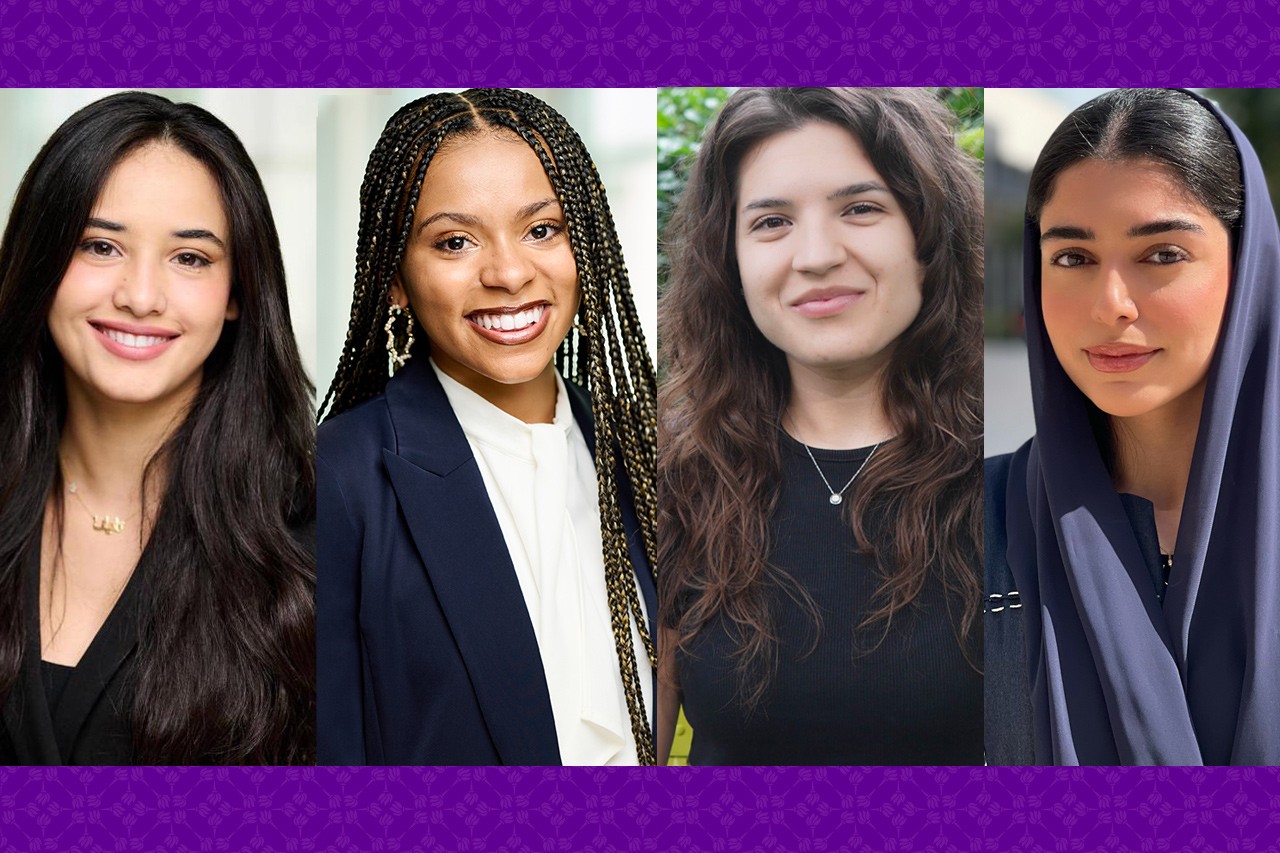
NYUAD Seniors and Alumnas Awarded Prestigious 2023 Rhodes Scholarship
Scholarship Free Examples, Guides, How to, Tips

Two PhD students awarded research grants and scholarship HKU School

How to Start a Scholarship Fund in 9 Easy Steps

Battlefield High School senior awarded 2025 National Merit Scholarship
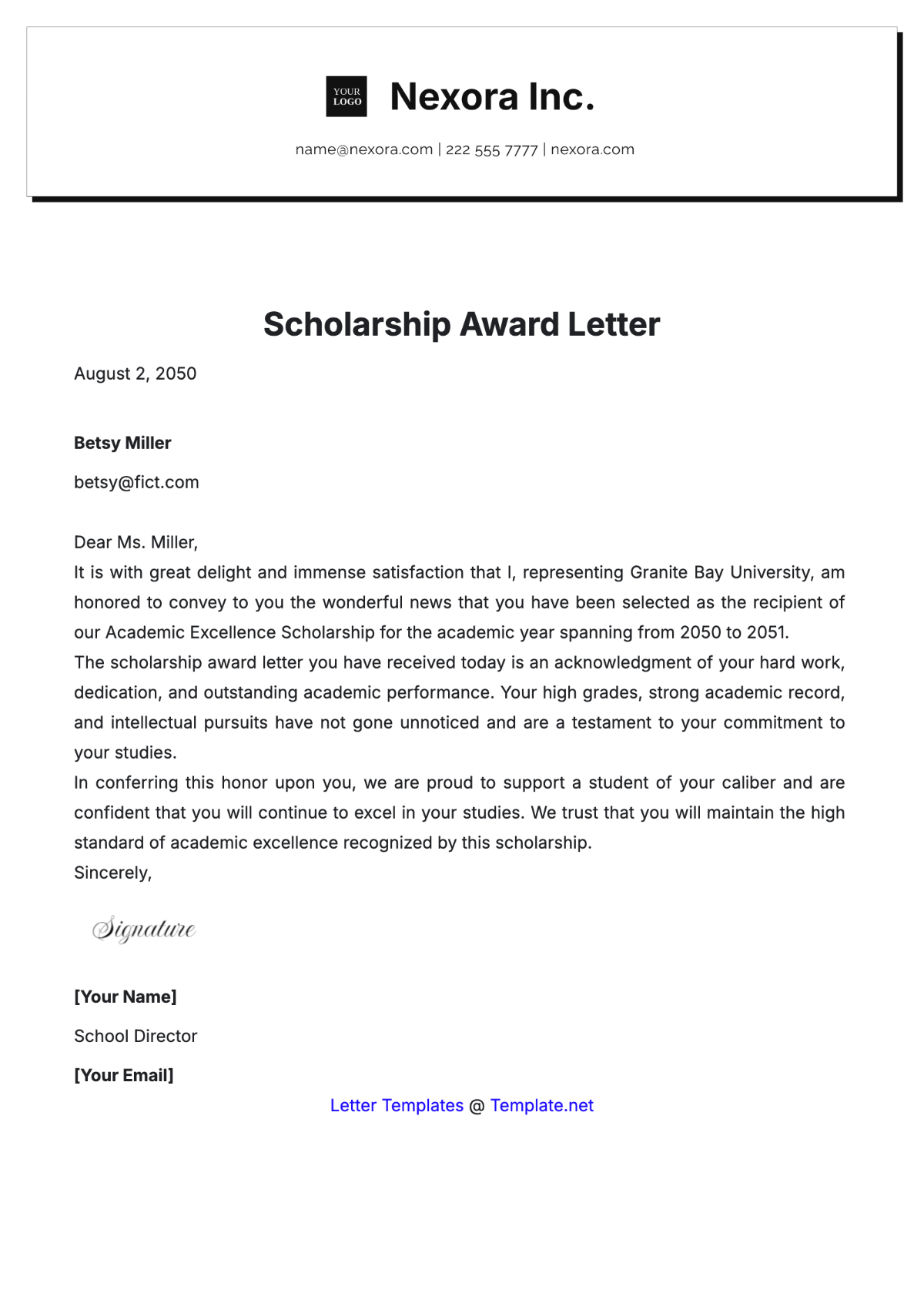
Free Scholarship Templates to Edit Online
What Business Can I Start With Having 20K?
He Has A Cell Phone.
I Have Come Across Below Statement.
In This Case You Can See That The Subject Of The Sentence Is I.
Related Post:

