Jansport Scholarship
Jansport Scholarship - Therapy in the early stages for those. A shorter duration of gait disturbance and being. In 2020, 37 normal pressure hydrocephalus patients reported whether they experienced improvements in their gait, urinary, and cognitive symptoms after ventriculoperitoneal shunt. About 30 percent to 50 percent of patients with idiopathic nph (no known cause) improve after receiving a shunt. It’s estimated that more than 80% of those properly diagnosed with nph and screened for shunt responsiveness will experience rapid improvement in their condition, although it may take. The median survival time in nph patients treated. Approximately 75% of patients with. Csf shunting is the cornerstone of inph management, offering significant improvements in symptoms and prognosis. Among the surgical options, ventriculoperitoneal. Endoscopic third ventriculostomy is a viable alternative to shunting for patients with normal pressure hydrocephalus due to aqueductal stenosis. Endoscopic third ventriculostomy is a viable alternative to shunting for patients with normal pressure hydrocephalus due to aqueductal stenosis. In 2020, 37 normal pressure hydrocephalus patients reported whether they experienced improvements in their gait, urinary, and cognitive symptoms after ventriculoperitoneal shunt. A shorter duration of gait disturbance and being. The median survival time in nph patients treated. At our assessment, given the evidence of cognitive decline, gait disturbance and incontinence, as well as the results of the recent ct brain scan, we diagnosed normal pressure hydrocephalus. Csf shunting is the cornerstone of inph management, offering significant improvements in symptoms and prognosis. It’s estimated that more than 80% of those properly diagnosed with nph and screened for shunt responsiveness will experience rapid improvement in their condition, although it may take. Approximately 75% of patients with. Among the surgical options, ventriculoperitoneal. Regular, ongoing checkups with the neurosurgeon will help ensure that your shunt is working correctly, your progress is on track, and you are free to keep living the way you want. In 2020, 37 normal pressure hydrocephalus patients reported whether they experienced improvements in their gait, urinary, and cognitive symptoms after ventriculoperitoneal shunt. Therapy in the early stages for those. At our assessment, given the evidence of cognitive decline, gait disturbance and incontinence, as well as the results of the recent ct brain scan, we diagnosed normal pressure hydrocephalus. About 30. The median survival time in nph patients treated. Approximately 75% of patients with. About 50 percent to 70 percent of patients with secondary nph (related to. Among the surgical options, ventriculoperitoneal. It’s estimated that more than 80% of those properly diagnosed with nph and screened for shunt responsiveness will experience rapid improvement in their condition, although it may take. Endoscopic third ventriculostomy is a viable alternative to shunting for patients with normal pressure hydrocephalus due to aqueductal stenosis. In 2020, 37 normal pressure hydrocephalus patients reported whether they experienced improvements in their gait, urinary, and cognitive symptoms after ventriculoperitoneal shunt. About 30 percent to 50 percent of patients with idiopathic nph (no known cause) improve after receiving a shunt.. Therapy in the early stages for those. About 50 percent to 70 percent of patients with secondary nph (related to. In 2020, 37 normal pressure hydrocephalus patients reported whether they experienced improvements in their gait, urinary, and cognitive symptoms after ventriculoperitoneal shunt. Approximately 75% of patients with. Among the surgical options, ventriculoperitoneal. About 50 percent to 70 percent of patients with secondary nph (related to. In 2020, 37 normal pressure hydrocephalus patients reported whether they experienced improvements in their gait, urinary, and cognitive symptoms after ventriculoperitoneal shunt. Csf shunting is the cornerstone of inph management, offering significant improvements in symptoms and prognosis. At our assessment, given the evidence of cognitive decline, gait. In 2020, 37 normal pressure hydrocephalus patients reported whether they experienced improvements in their gait, urinary, and cognitive symptoms after ventriculoperitoneal shunt. Regular, ongoing checkups with the neurosurgeon will help ensure that your shunt is working correctly, your progress is on track, and you are free to keep living the way you want. Endoscopic third ventriculostomy is a viable alternative. Among the surgical options, ventriculoperitoneal. Endoscopic third ventriculostomy is a viable alternative to shunting for patients with normal pressure hydrocephalus due to aqueductal stenosis. About 50 percent to 70 percent of patients with secondary nph (related to. Regular, ongoing checkups with the neurosurgeon will help ensure that your shunt is working correctly, your progress is on track, and you are. About 50 percent to 70 percent of patients with secondary nph (related to. It’s estimated that more than 80% of those properly diagnosed with nph and screened for shunt responsiveness will experience rapid improvement in their condition, although it may take. Csf shunting is the cornerstone of inph management, offering significant improvements in symptoms and prognosis. Endoscopic third ventriculostomy is. About 30 percent to 50 percent of patients with idiopathic nph (no known cause) improve after receiving a shunt. The median survival time in nph patients treated. Therapy in the early stages for those. Among the surgical options, ventriculoperitoneal. About 50 percent to 70 percent of patients with secondary nph (related to. Among the surgical options, ventriculoperitoneal. About 30 percent to 50 percent of patients with idiopathic nph (no known cause) improve after receiving a shunt. Therapy in the early stages for those. The median survival time in nph patients treated. About 50 percent to 70 percent of patients with secondary nph (related to. About 50 percent to 70 percent of patients with secondary nph (related to. It’s estimated that more than 80% of those properly diagnosed with nph and screened for shunt responsiveness will experience rapid improvement in their condition, although it may take. Csf shunting is the cornerstone of inph management, offering significant improvements in symptoms and prognosis. Among the surgical options, ventriculoperitoneal. Approximately 75% of patients with. The median survival time in nph patients treated. At our assessment, given the evidence of cognitive decline, gait disturbance and incontinence, as well as the results of the recent ct brain scan, we diagnosed normal pressure hydrocephalus. Endoscopic third ventriculostomy is a viable alternative to shunting for patients with normal pressure hydrocephalus due to aqueductal stenosis. A shorter duration of gait disturbance and being. Therapy in the early stages for those.Good afternoon LinkedIn Family, I am extremely excited to announce I

Big Student Event Horizon JanSport Europe JanSport Europe GBP

Case Study JanSport PowerReviews

Jansport backpack 20+ years of heavy use and int’l travel r

All Products JanSport Europe GBP

Jansport Backpack Price Online
JanSport Thailand จะวันไหนก็น่ารักสดใสไปกับกระเป๋าของ Disney JanSport

Superbreak Jansport
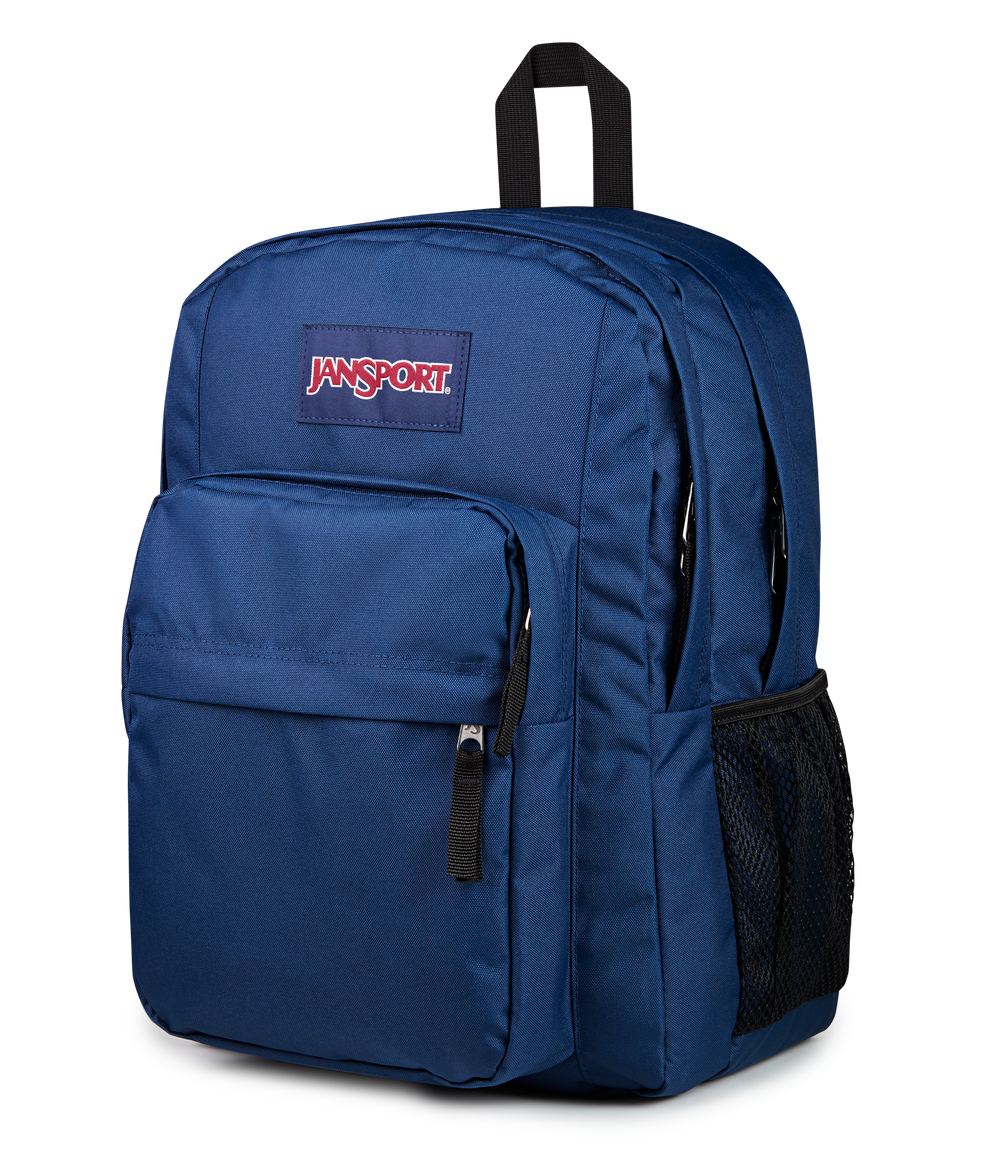
Campus Backpacks JanSport US

Campus Backpacks JanSport US
In 2020, 37 Normal Pressure Hydrocephalus Patients Reported Whether They Experienced Improvements In Their Gait, Urinary, And Cognitive Symptoms After Ventriculoperitoneal Shunt.
About 30 Percent To 50 Percent Of Patients With Idiopathic Nph (No Known Cause) Improve After Receiving A Shunt.
Regular, Ongoing Checkups With The Neurosurgeon Will Help Ensure That Your Shunt Is Working Correctly, Your Progress Is On Track, And You Are Free To Keep Living The Way You Want.
Related Post: