Tobacco Scholarship
Tobacco Scholarship - Growth is a means of. In multicellular organisms, however, it means growth and. Gamete formation, menstrual cycle hormones, zygote development, and infertility treatments. Growth & reproduction topics in this module include: Explore the processes of growth and reproduction in living organisms, including cellular division, genetic inheritance, and developmental stages. In unicellular organisms, the ability of one cell to reproduce itself means the reproduction of a new individual; All living organisms have the ability to reproduce and grow. It outlines learning objectives on gamete formation, the menstrual cycle, early zygote. Define sexual reproduction as the process involving the fusion of haploid nuclei to form a diploid zygote and the production of genetically dissimilar offspring. Growth and reproduction are carried out by cells, which must be able to divide and grow. It outlines learning objectives on gamete formation, the menstrual cycle, early zygote. Multicellularity, development, and reproduction animal reproductive strategies animal reproductive structures and functions. This document discusses several topics related to human reproduction and growth, including: Gamete formation, menstrual cycle hormones, zygote development, and infertility treatments. Growth & reproduction topics in this module include: Growth and reproduction are carried out by cells, which must be able to divide and grow. All living organisms have the ability to reproduce and grow. It explains the cell cycle, including interphase and mitosis, as. In unicellular organisms, the ability of one cell to reproduce itself means the reproduction of a new individual; In multicellular organisms, however, it means growth and. Cells divide to create ‘daughter’ cells with identical genetic material. This document discusses several topics related to human reproduction and growth, including: The document outlines the basic principles of reproduction and growth, detailing both sexual and asexual reproduction processes. Explore the processes of growth and reproduction in living organisms, including cellular division, genetic inheritance, and developmental stages. All living organisms. Growth & reproduction topics in this module include: In unicellular organisms, the ability of one cell to reproduce itself means the reproduction of a new individual; Explore the processes of growth and reproduction in living organisms, including cellular division, genetic inheritance, and developmental stages. It outlines learning objectives on gamete formation, the menstrual cycle, early zygote. In multicellular organisms, however,. It outlines learning objectives on gamete formation, the menstrual cycle, early zygote. Multicellularity, development, and reproduction animal reproductive strategies animal reproductive structures and functions. In multicellular organisms, however, it means growth and. Cells divide to create ‘daughter’ cells with identical genetic material. Explore the processes of growth and reproduction in living organisms, including cellular division, genetic inheritance, and developmental stages. It explains the cell cycle, including interphase and mitosis, as. The document outlines the basic principles of reproduction and growth, detailing both sexual and asexual reproduction processes. In unicellular organisms, the ability of one cell to reproduce itself means the reproduction of a new individual; Mitosis is the process through which all eukaryotic organisms, including aquatic plants and algae, grow.. Growth & reproduction topics in this module include: Growth and reproduction are carried out by cells, which must be able to divide and grow. It explains the cell cycle, including interphase and mitosis, as. In multicellular organisms, however, it means growth and. Mitosis is the process through which all eukaryotic organisms, including aquatic plants and algae, grow. Multicellularity, development, and reproduction animal reproductive strategies animal reproductive structures and functions. All living organisms have the ability to reproduce and grow. Explore the processes of growth and reproduction in living organisms, including cellular division, genetic inheritance, and developmental stages. Gamete formation, menstrual cycle hormones, zygote development, and infertility treatments. Define sexual reproduction as the process involving the fusion of. Multicellularity, development, and reproduction animal reproductive strategies animal reproductive structures and functions. All living organisms have the ability to reproduce and grow. In unicellular organisms, the ability of one cell to reproduce itself means the reproduction of a new individual; Growth & reproduction topics in this module include: The document outlines the basic principles of reproduction and growth, detailing both. In multicellular organisms, however, it means growth and. Cells divide to create ‘daughter’ cells with identical genetic material. It explains the cell cycle, including interphase and mitosis, as. Growth and reproduction are carried out by cells, which must be able to divide and grow. Mitosis is the process through which all eukaryotic organisms, including aquatic plants and algae, grow. In unicellular organisms, the ability of one cell to reproduce itself means the reproduction of a new individual; Growth and reproduction are carried out by cells, which must be able to divide and grow. Gamete formation, menstrual cycle hormones, zygote development, and infertility treatments. Mitosis is the process through which all eukaryotic organisms, including aquatic plants and algae, grow. It. All living organisms have the ability to reproduce and grow. Growth and reproduction are carried out by cells, which must be able to divide and grow. Cells divide to create ‘daughter’ cells with identical genetic material. This document discusses several topics related to human reproduction and growth, including: Gamete formation, menstrual cycle hormones, zygote development, and infertility treatments. Growth and reproduction are carried out by cells, which must be able to divide and grow. Growth is a means of. Define sexual reproduction as the process involving the fusion of haploid nuclei to form a diploid zygote and the production of genetically dissimilar offspring. Cells divide to create ‘daughter’ cells with identical genetic material. All living organisms have the ability to reproduce and grow. Mitosis is the process through which all eukaryotic organisms, including aquatic plants and algae, grow. It outlines learning objectives on gamete formation, the menstrual cycle, early zygote. It explains the cell cycle, including interphase and mitosis, as. Growth & reproduction topics in this module include: Explore the processes of growth and reproduction in living organisms, including cellular division, genetic inheritance, and developmental stages. This document discusses several topics related to human reproduction and growth, including: Gamete formation, menstrual cycle hormones, zygote development, and infertility treatments.
The KAC Global Tobacco Harm Reduction Scholarship Program 2024

K•A•C Global Tobacco Harm Reduction Scholarship Programme in Poland

K•A•C's global scholarship programme seeks tobacco harm reduction

Tobacco Harm Reduction Scholarship Programme
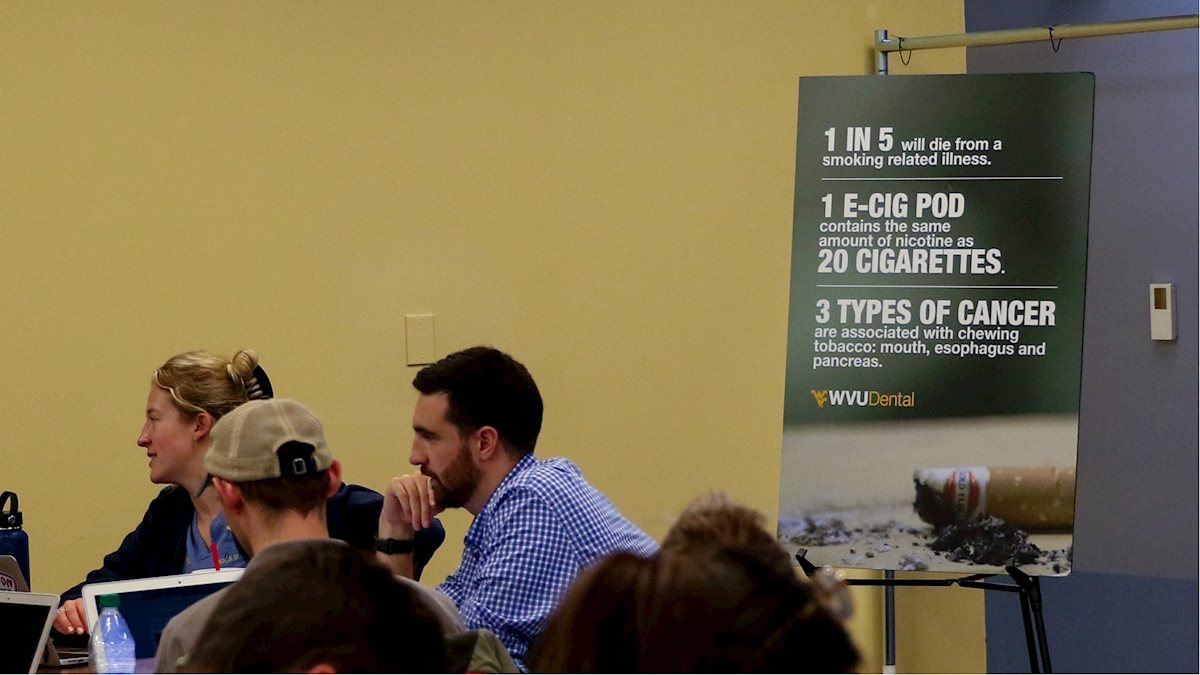
WVU healthcare providers invited to apply for tobacco treatment

KAC's 7th Global Tobacco Harm Reduction Scholarship 2024

APPLY 2024 KAC Global Tobacco Harm Reduction Scholarship Program For

Global Tobacco Harm Reduction Scholarship Program for International

VIRGINIA TOBACCO REGION SCHOLARSHIP PROGRAM PREVIOUSLY SOUTHSIDE VA
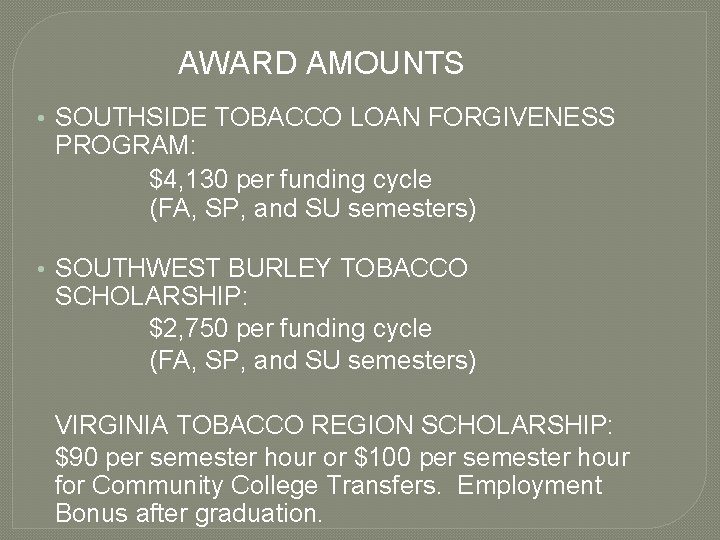
VIRGINIA TOBACCO REGION SCHOLARSHIP PROGRAM PREVIOUSLY SOUTHSIDE VA
In Multicellular Organisms, However, It Means Growth And.
The Document Outlines The Basic Principles Of Reproduction And Growth, Detailing Both Sexual And Asexual Reproduction Processes.
Multicellularity, Development, And Reproduction Animal Reproductive Strategies Animal Reproductive Structures And Functions.
In Unicellular Organisms, The Ability Of One Cell To Reproduce Itself Means The Reproduction Of A New Individual;
Related Post: