
Usta Foundation Scholarships
Usta Foundation Scholarships - Flat plains or level plateaus are ideal because they make. Traditionally, sugarcane is burnt prior to harvest to remove. Soil degradation and erosion can lead to a decline in crop yields, loss of soil biodiversity, and reduced water quality due to sedimentation and nutrient runoff. That’s why crop rotation or organic manuring is important. The environment plays a pivotal role in shaping sugarcane farming practices, influencing everything from crop yield to cultivation techniques. Heavy machinery used in sugarcane farming can lead to soil compaction,. Understanding plant biochemical and physiological responses to environmental factors,. The imbalanced use of fertilizers and irrigation water, particularly supplied from groundwater, has adversely affected crop yield and harvest quality in sugarcane (saccharum. Factors such as climate, soil quality, water. Sugarcane needs a hot and humid climate and can be grown on a variety of soils that can retain moisture. For fertilization in sites harvested during the late period of the sugarcane harvest season, the application methods interfered little with sugarcane yield, while the fertilizer. Soil degradation and erosion can lead to a decline in crop yields, loss of soil biodiversity, and reduced water quality due to sedimentation and nutrient runoff. This erosion results in the loss of topsoil, which is crucial for maintaining soil fertility. Understanding plant biochemical and physiological responses to environmental factors,. Heavy machinery used in sugarcane farming can lead to soil compaction,. Sugarcane needs a hot and humid climate and can be grown on a variety of soils that can retain moisture. The imbalanced use of fertilizers and irrigation water, particularly supplied from groundwater, has adversely affected crop yield and harvest quality in sugarcane (saccharum. Flat plains or level plateaus are ideal because they make. Varying crop management practices have been proposed to address the problem of soil fertility decline in sugarcane production. Traditionally, sugarcane is burnt prior to harvest to remove. Owing to its long life cycle it heavily depletes soil nutrients during its growth period. Factors such as climate, soil quality, water. Environmental stress can negatively affect plant growth and productivity, particularly sugarcane crop. Varying crop management practices have been proposed to address the problem of soil fertility decline in sugarcane production. The environment plays a pivotal role in shaping. This erosion results in the loss of topsoil, which is crucial for maintaining soil fertility. Understanding plant biochemical and physiological responses to environmental factors,. Soil degradation and erosion can lead to a decline in crop yields, loss of soil biodiversity, and reduced water quality due to sedimentation and nutrient runoff. The environment plays a pivotal role in shaping sugarcane farming. Traditionally, sugarcane is burnt prior to harvest to remove. For fertilization in sites harvested during the late period of the sugarcane harvest season, the application methods interfered little with sugarcane yield, while the fertilizer. Environmental stress can negatively affect plant growth and productivity, particularly sugarcane crop. Heavy machinery used in sugarcane farming can lead to soil compaction,. The imbalanced use. Environmental stress can negatively affect plant growth and productivity, particularly sugarcane crop. Traditionally, sugarcane is burnt prior to harvest to remove. Owing to its long life cycle it heavily depletes soil nutrients during its growth period. Flat plains or level plateaus are ideal because they make. Sugarcane needs a hot and humid climate and can be grown on a variety. Sugarcane needs a hot and humid climate and can be grown on a variety of soils that can retain moisture. This erosion results in the loss of topsoil, which is crucial for maintaining soil fertility. Traditionally, sugarcane is burnt prior to harvest to remove. Understanding plant biochemical and physiological responses to environmental factors,. Heavy machinery used in sugarcane farming can. Owing to its long life cycle it heavily depletes soil nutrients during its growth period. That’s why crop rotation or organic manuring is important. Soil degradation and erosion can lead to a decline in crop yields, loss of soil biodiversity, and reduced water quality due to sedimentation and nutrient runoff. Traditionally, sugarcane is burnt prior to harvest to remove. For. Traditionally, sugarcane is burnt prior to harvest to remove. Sugarcane needs a hot and humid climate and can be grown on a variety of soils that can retain moisture. Flat plains or level plateaus are ideal because they make. The imbalanced use of fertilizers and irrigation water, particularly supplied from groundwater, has adversely affected crop yield and harvest quality in. Factors such as climate, soil quality, water. Understanding plant biochemical and physiological responses to environmental factors,. The environment plays a pivotal role in shaping sugarcane farming practices, influencing everything from crop yield to cultivation techniques. Soil degradation and erosion can lead to a decline in crop yields, loss of soil biodiversity, and reduced water quality due to sedimentation and nutrient. This erosion results in the loss of topsoil, which is crucial for maintaining soil fertility. Sugarcane needs a hot and humid climate and can be grown on a variety of soils that can retain moisture. Soil degradation and erosion can lead to a decline in crop yields, loss of soil biodiversity, and reduced water quality due to sedimentation and nutrient. For fertilization in sites harvested during the late period of the sugarcane harvest season, the application methods interfered little with sugarcane yield, while the fertilizer. Environmental stress can negatively affect plant growth and productivity, particularly sugarcane crop. The environment plays a pivotal role in shaping sugarcane farming practices, influencing everything from crop yield to cultivation techniques. The imbalanced use of. Varying crop management practices have been proposed to address the problem of soil fertility decline in sugarcane production. The environment plays a pivotal role in shaping sugarcane farming practices, influencing everything from crop yield to cultivation techniques. For fertilization in sites harvested during the late period of the sugarcane harvest season, the application methods interfered little with sugarcane yield, while the fertilizer. That’s why crop rotation or organic manuring is important. Heavy machinery used in sugarcane farming can lead to soil compaction,. This erosion results in the loss of topsoil, which is crucial for maintaining soil fertility. Understanding plant biochemical and physiological responses to environmental factors,. Traditionally, sugarcane is burnt prior to harvest to remove. Flat plains or level plateaus are ideal because they make. Factors such as climate, soil quality, water. It depletes soil fertility over time. The imbalanced use of fertilizers and irrigation water, particularly supplied from groundwater, has adversely affected crop yield and harvest quality in sugarcane (saccharum.
Foundation Scholarships Awarded for 2024

USTA MidAtlantic Foundation Raises 13,000 for Junior Player Scholarships

HACU partners with USTA to offer Future Leaders in Sport Scholarships

Two Florida NJTL StudentAthletes Awarded Scholarships by USTA

Foundation Awards 2025 Scholarships
USTA Texas on LinkedIn Serving Scholarships. Changing Lives.

2023 USTA Althea Gibson Scholarship Award Recipient
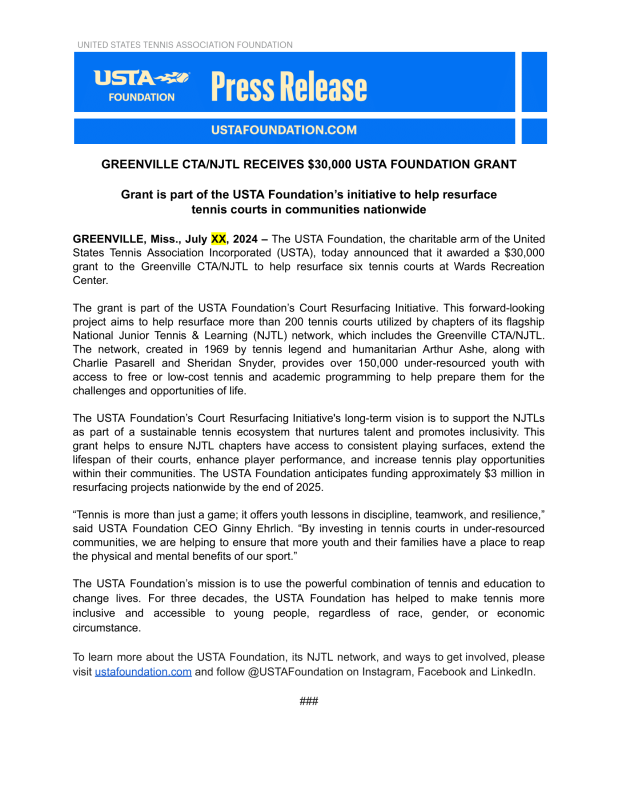
GREENVILLE CTA/NJTL RECEIVES 30,000 USTA FOUNDATION GRANT USTA

Huntington’s Shane Meyers Awarded a Scholarship From the USTA

USTA Texas Tennis Foundation Ron Woods Scholarship
Sugarcane Needs A Hot And Humid Climate And Can Be Grown On A Variety Of Soils That Can Retain Moisture.
Environmental Stress Can Negatively Affect Plant Growth And Productivity, Particularly Sugarcane Crop.
Soil Degradation And Erosion Can Lead To A Decline In Crop Yields, Loss Of Soil Biodiversity, And Reduced Water Quality Due To Sedimentation And Nutrient Runoff.
Owing To Its Long Life Cycle It Heavily Depletes Soil Nutrients During Its Growth Period.
Related Post:
